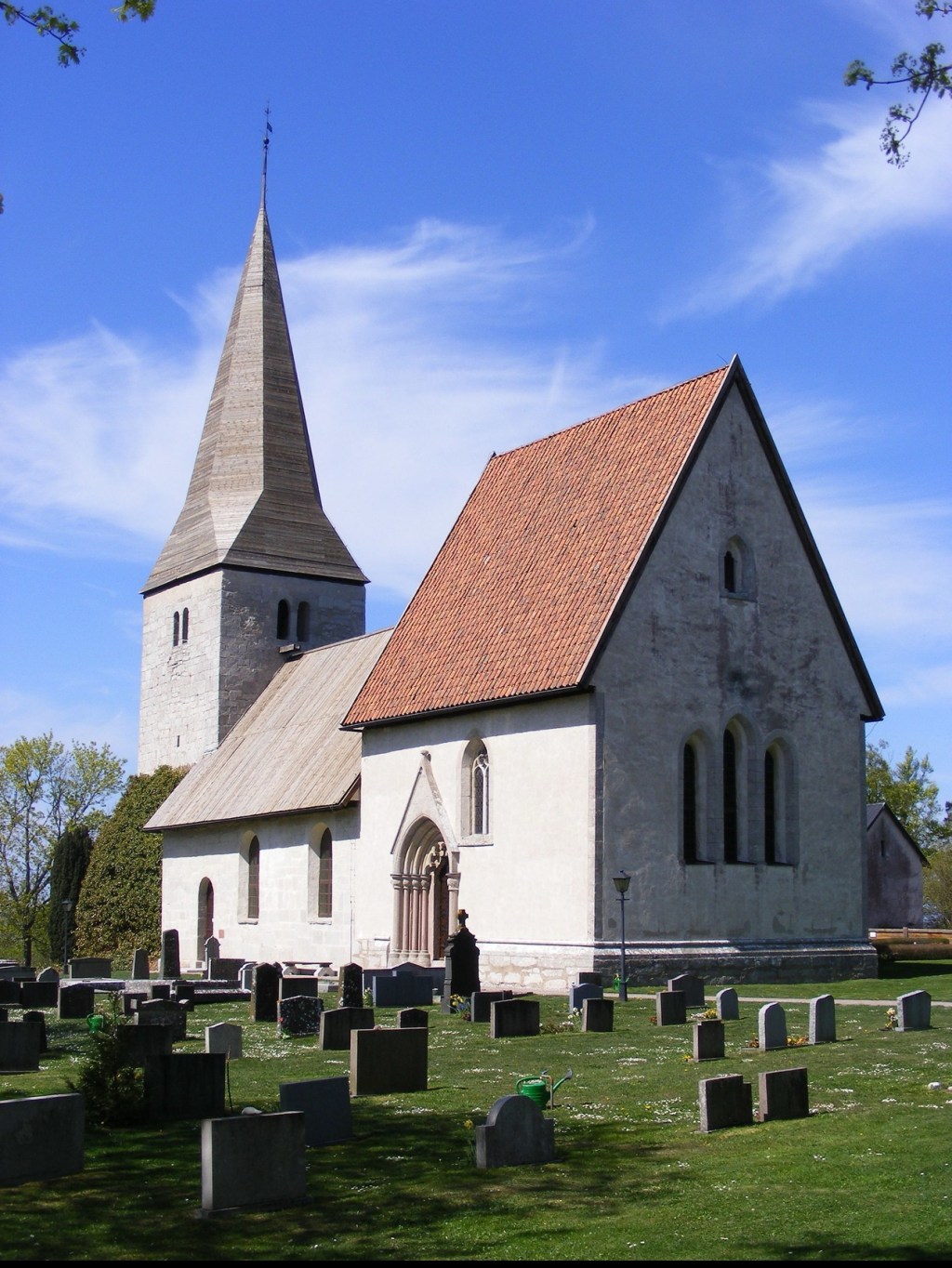
As we count down the days to Medieval Week in Visby, I want to spotlight a place that lies just a short drive from the city, but centuries deep in personal significance: Fröjel.
Located on the windswept western coast of Gotland, Fröjel today is a peaceful village, marked by a 12th-century stone church and quiet farmland. But during the Viking Age, this was one of the island’s most important coastal settlements-a vibrant hub of maritime trade, craft production, and cultural exchange. Archaeologists have uncovered the remains of a large harbor complex here, along with evidence of silver-working, imported goods, and trading networks that extended far beyond the Baltic.
And then there’s the part that makes this more than just historical curiosity for me: two of my ancestors- VK429 and VK58- were buried here. Their bones, excavated from the Fröjel cemetery and analyzed in one of the most comprehensive Viking DNA studies to date, are among the hundreds of individuals whose genomes have helped reshape our understanding of who the Vikings really were.
VK429 was an adult woman, possibly of local status, buried with care and intent. VK58 was a younger man, whose genetic profile suggests deep Gotlandic roots but also reflects the genetic complexity of the era- a time when cultures were colliding, blending, and moving. Neither of them has a name we can recover, but they are nonetheless real to me. They are not characters from a saga. They are family.
What fascinates me is not just the archaeology or the DNA- it’s the fact that these two people lived and died on this island, walked its fields, breathed its cold sea air, and now, a thousand years later, I’m coming back to find them. I plan to visit Fröjel Church when we arrive, to see the site where they were buried, and to simply sit for a while- quietly, with intention.
Fröjel, for all its modest modern appearance, reminds me that history often hides in plain sight. A humble church might stand over an ancient trading center. A peaceful cemetery might cradle the bones of someone whose blood runs in your veins.
Tomorrow’s post will shift focus back to Visby- but today, I’m sitting with Fröjel: a forgotten Viking harbor, a critical node in Gotland’s history, and the place where the past and my present intersect in the most unexpected of ways.
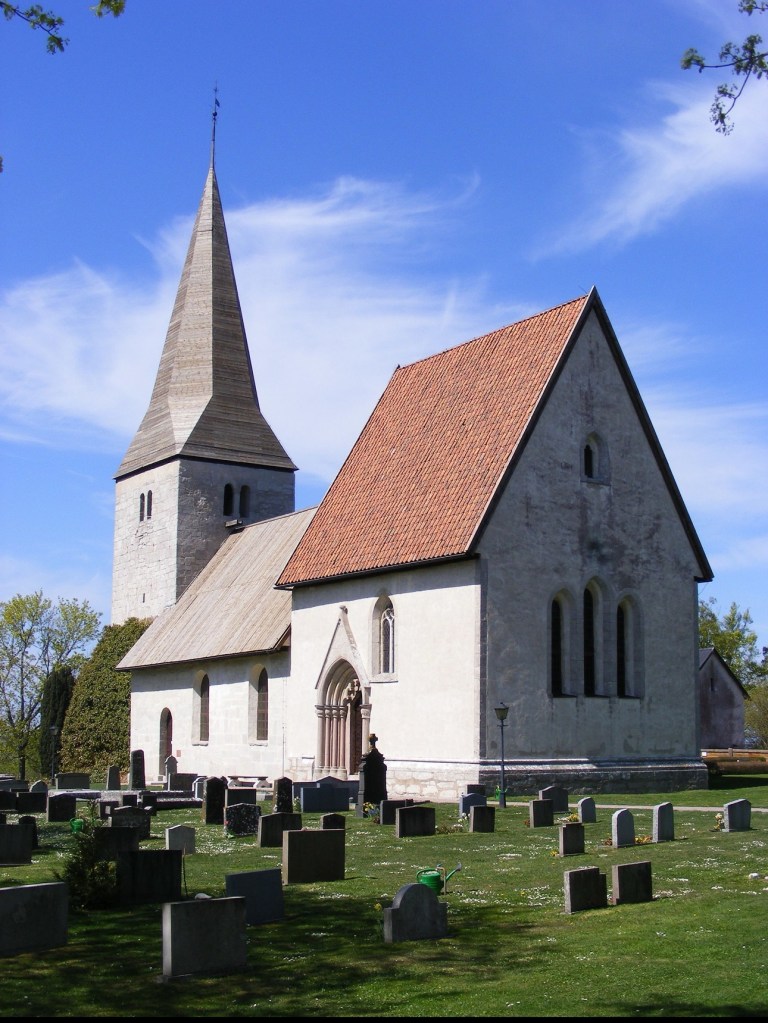
A view of the 12th-century Fröjel Church, showcasing its Romanesque and Gothic architectural elements. Photo credit Wikipedia
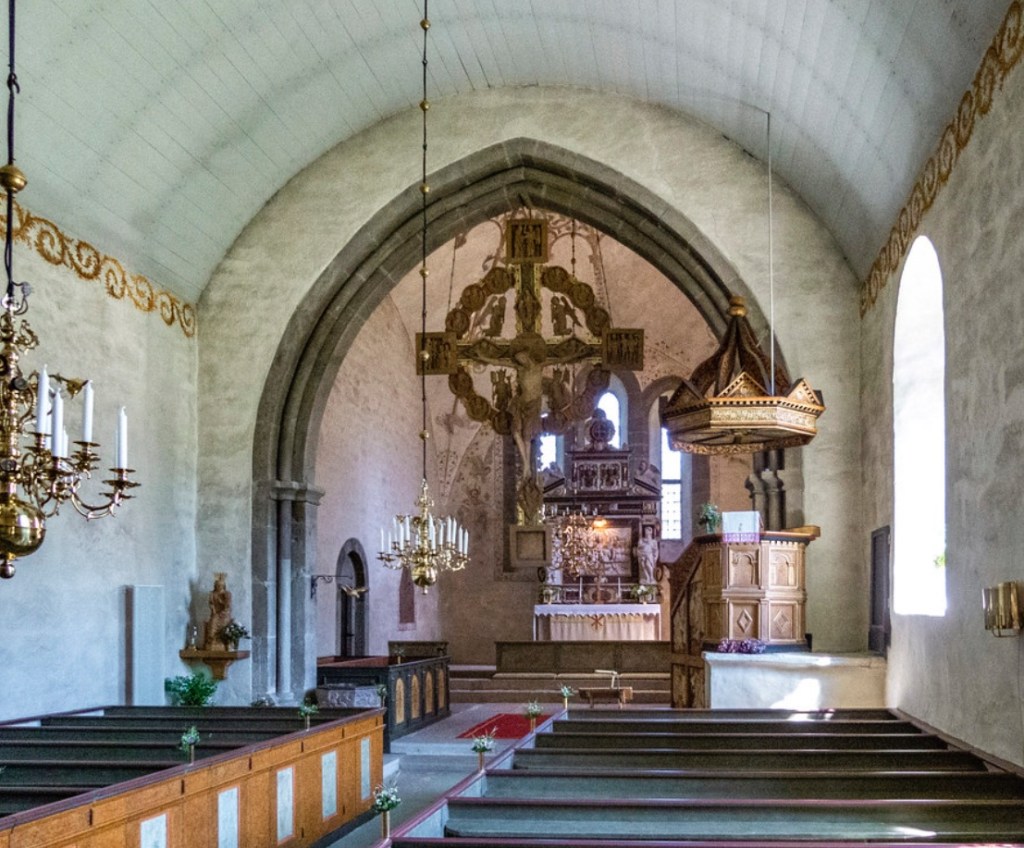
The interior of the church displays several medieval murals, depicting dragons, deer, lions and griffins, as well as an angel and a bishop. The murals date from the early 14th century. The base of the baptismal font is made by the master sculptor Byzantios, while the upper part of the font is from the 14th century. There is also a large medieval triumphal cross in Fröjel church. Later additions to the inventory include the altarpiece and the pulpit, both from the 17th century – photocred Wikipedia
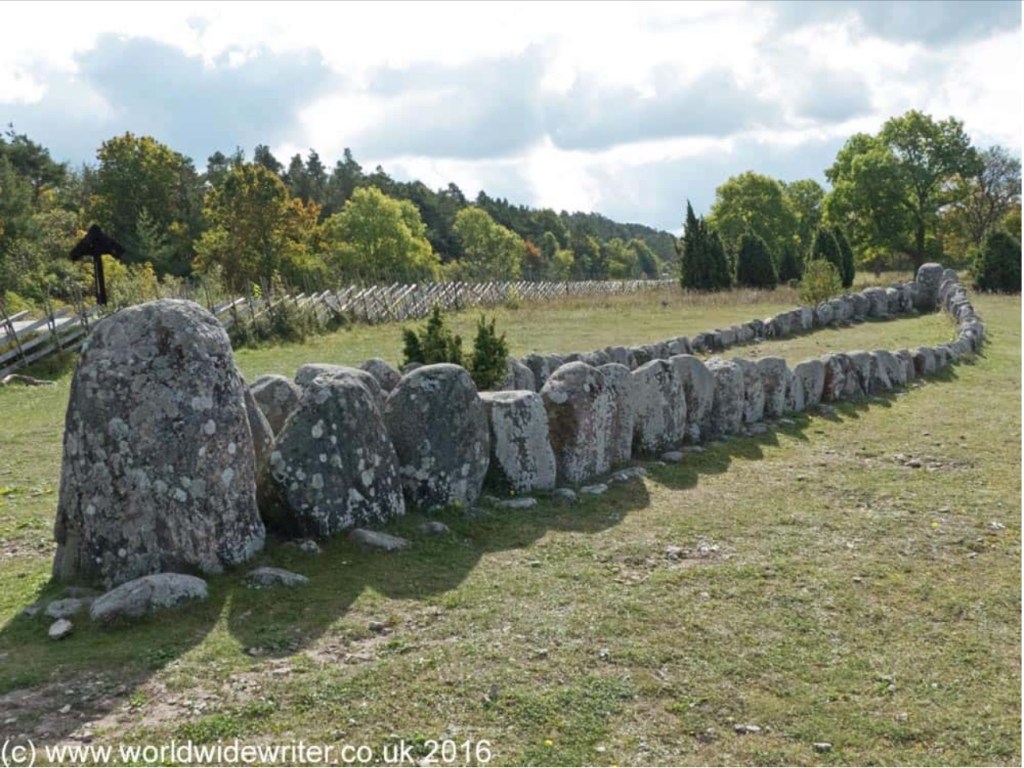
the Gotland Archaeology Field School provides insights into the archaeological significance of Fröjel, including its burial sites. Additionally, the Find a Grave memorial for VK58 offers information about the burial location in Fröjel

 Swedish Wanderlust
You must be logged in to post a comment.