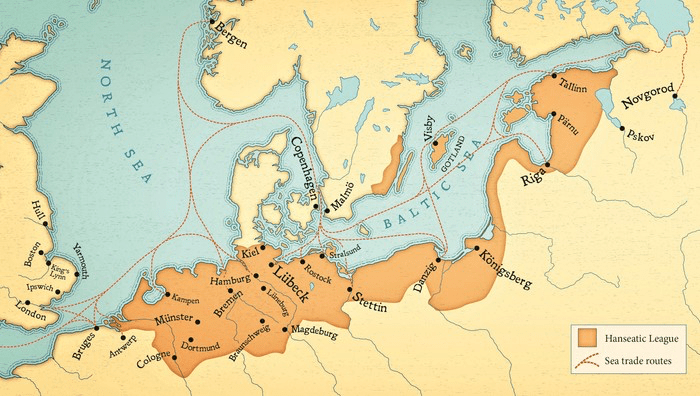
Just when you thought Visby couldn’t possibly pack in more drama- it turns out the 1520s were anything but peaceful. Enter: Lübeck, one of Visby’s old Hanseatic frenemies, crashing the party with a fleet and a whole lot of ambition during the chaos of the Protestant Reformation.
Wait- who was Lübeck?
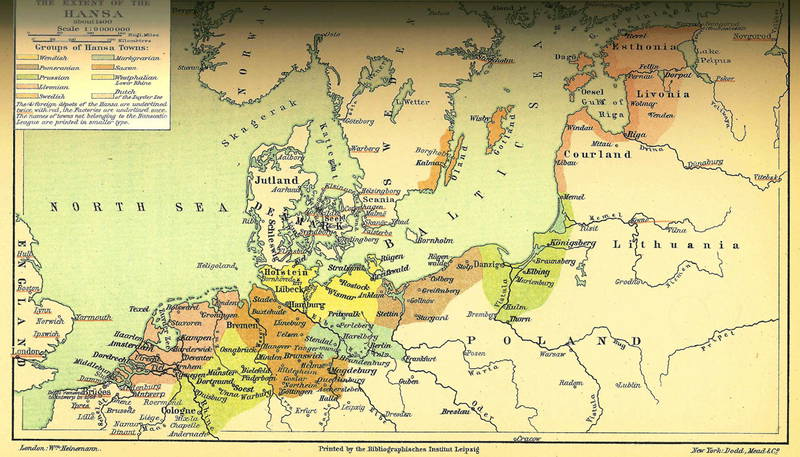
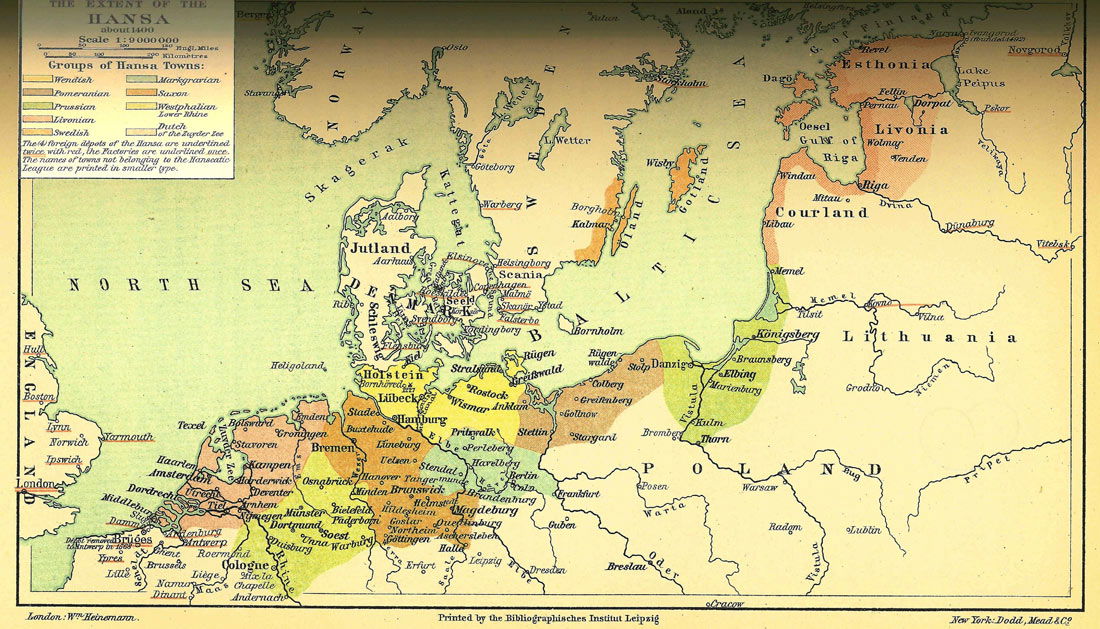
Lübeck is a city in northern Germany, and during the Middle Ages, it wasn’t just any city; it was the unofficial capital of the Hanseatic League, a powerful alliance of trading cities that dominated Northern European commerce from the 13th to the 17th century. Lübeck was savvy, rich, and not afraid to use a bit of medieval muscle to keep its place at the top of the Baltic food chain.
And what did they want with Visby?
By the 1520s, Visby’s golden age was behind it. Trade had shifted, the church was losing influence, and Europe was in full theological meltdown thanks to the Protestant Reformation. Seeing opportunity, Lübeck raided Visby- not just for loot, but to send a message. They were asserting dominance over a once-rival city and strategically backing the Protestant cause to increase their influence.
It wasn’t just a raid- it was a power play. And in a town where every ruin has a story, this one came with sails, swords, and political strategy.
And what is Lübeck today?
Fast forward to the 21st century, and Lübeck is a picturesque city in northern Germany, famous for its Gothic architecture, marzipan, and UNESCO-listed old town. It’s no longer commanding the Baltic, but it hasn’t lost its historic charm. With cobbled lanes, riverside cafés, and literary legends like Thomas Mann, Lübeck has transformed from a merchant titan to a cultural gem.
While Visby and Lübeck were once fierce rivals, today they’d probably be swapping museum exhibitions and joint heritage tours.
So while I’ll be wandering cobblestone streets and sipping coffee under rose-covered arches this August, I’ll also be thinking about the cannon blasts and crumbling alliances that once echoed through this town. Because in Visby, even the beauty comes with a backstory- and sometimes, the villain now sells pastries and postcard books.


 Swedish Wanderlust

You must be logged in to post a comment.