Before I even set foot in Visby, part of me is already there — and part of me never made it back.
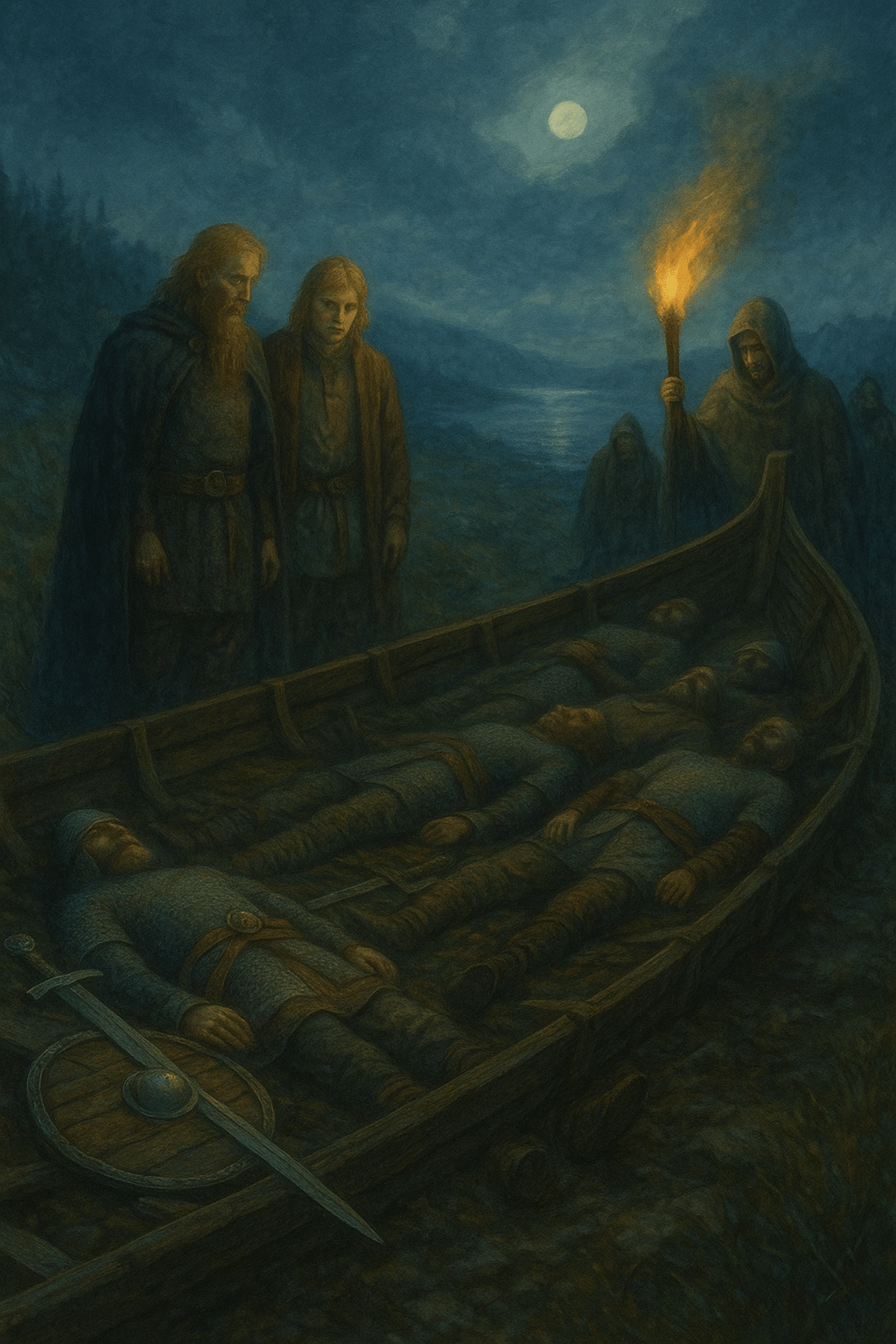
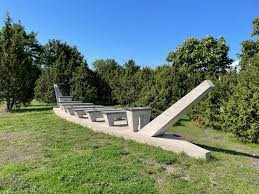
In 2008, on a quiet bluff in Salme, Estonia, archaeologists uncovered a Viking ship burial. Then another. Dozens of men, laid side by side in their armor, with swords, gaming pieces, and grave goods. They hadn’t just died — they were sent off, in a ceremony full of meaning. And through ancient DNA analysis, we now know this:
They were from Gotland.
One of them, labeled VK554, shares a maternal line with me. That means someone from my family — a direct female-line ancestor — once lived on Gotland over 1,200 years ago. Maybe she watched the sail vanish over the Baltic horizon. Maybe she helped pack the provisions. Maybe she was the one left behind.
The ships never returned.
Now, I’m heading back.
Gotland isn’t just medieval markets and ruins. It’s the launch point for a hundred quiet stories — some ending in glory, some in tragedy, some buried under Estonian soil with swords and silence.
To walk those harbors, to feel the same sea wind — that’s not tourism.
That’s memory. With better shoes.
Swedish Word of the Day: Skeppssättning (noun) – ship burial ⛵
(Mina förfäder seglade från Gotland – och jag går i land där igen. – My ancestors sailed from Gotland – and now I will land there again.)

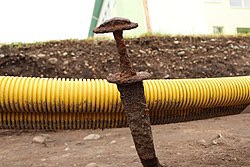
An 8th-century Viking sword discovered in the Salme II ship burial on Saaremaa, Estonia.
Attribution: Photo by Rsaage, shared on Wikimedia Commons under a free license.



 Swedish Wanderlust
You must be logged in to post a comment.