If you lived in Gotland 700 years ago and someone sneezed in your general direction, you wouldn’t grab a tissue. You’d grab a plant.
In the medieval world, herbs weren’t just ingredients — they were medicine, magic, and sometimes the only thing between you and a very inconvenient haunting. Gotlanders, like much of medieval Scandinavia, leaned hard on the power of local flora to treat wounds, summon dreams, curse enemies, and protect babies from trolls.
Here’s what might have been in a typical spell pouch or healing kit:
🌿 Yarrow (rölleka) – Stops bleeding, heals wounds, and was sometimes packed into armor padding. Also works for “sword fever” (not made up).
🌸 St. John’s Wort (johannesört) – Hung over doors on Midsummer to keep out nightmares, bad spirits, and nosy neighbors.
🪻 Angelica (kvanne) – Powerful protective herb. Worn around the neck to repel sickness and evil. Tasted terrible. Still used it.
🌼 Chamomile & Mugwort – Mugwort was for dreams and spiritual travel. Chamomile was for literally everything else. Basically medieval ibuprofen.
🌿 Juniper & Birch – Bundled and burned. Smoke = protection. Or at least better-smelling air.
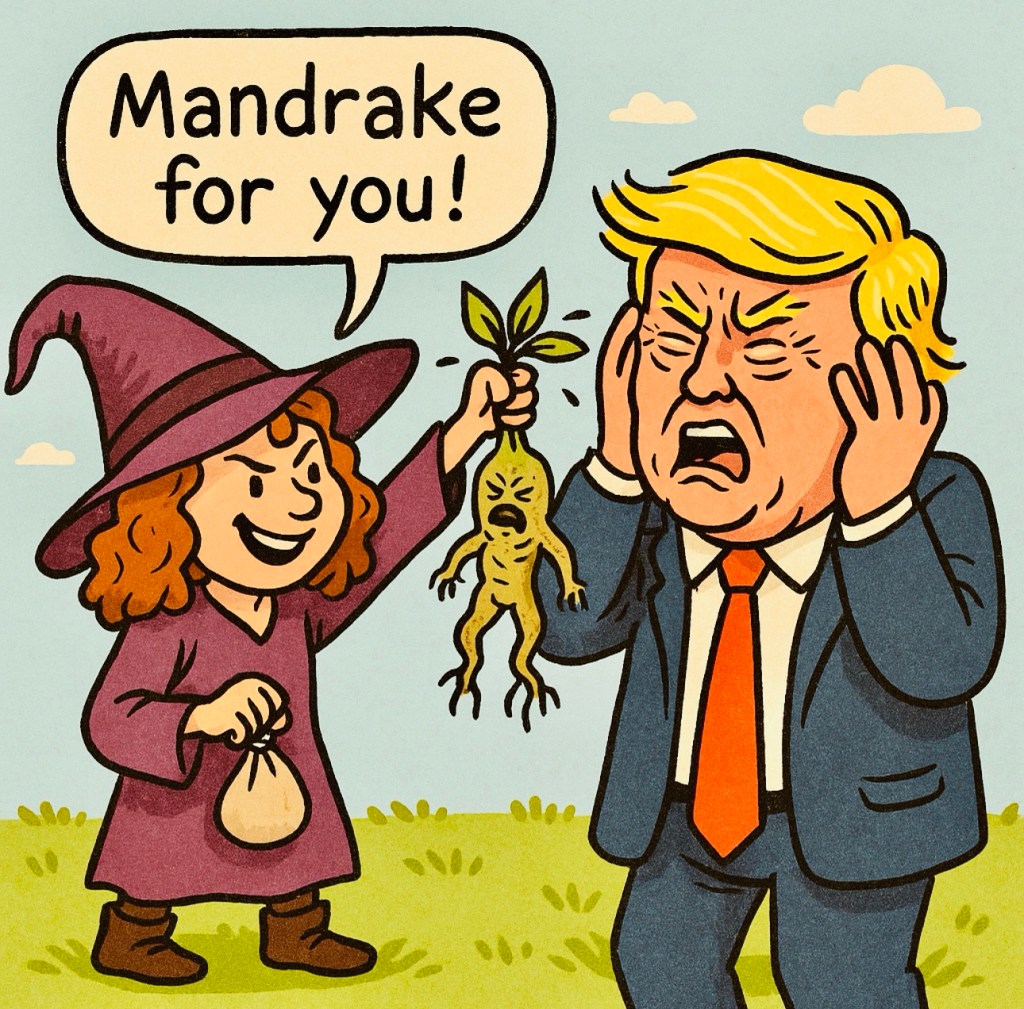
💀 Mandrake (if you were bold) – Imported, rare, and deeply cursed. Used in love spells, fertility magic, and potentially for poisoning someone you hated in a deeply poetic way.
So when I get to Visby, I might bring a little modern spell pouch of my own — just in case I find a cursed stairway or get hexed by a reenactor in really convincing robes.
Swedish Word of the Day: Ört (noun) – herb 🌿
(Gamla örter bar på både bot och förbannelse. – Old herbs carried both healing and hex.)

 Swedish Wanderlust