There are 26 days left until I arrive in Visby.
But some never left.
Beneath the grassy fields just outside the city walls lies one of the most harrowing burial sites in medieval Europe — the remains of 1,800 Gotlanders, many of them farmers, fathers, and sons, who stood against a Danish invasion in 1361.
They weren’t knights.
They weren’t trained.
Some wore armor that didn’t fit — some didn’t have armor at all.
They fought anyway.
The Bones Tell the Story
When archaeologists uncovered the mass graves in the 20th century, they found bodies buried where they fell — still clad in chainmail and padded tunics.
Many had shattered limbs, crushed jaws, and cleaved skulls.
One boy was only 13.
The ground hadn’t forgotten.
And neither should we.
Gotland’s “300”
Hollywood gave Sparta a legend.
Gotland got a trench full of silence.
While the Danes brought 2,500 seasoned soldiers and mounted knights, Gotland’s defenders — about 1,800 townsmen and peasants — stood their ground with outdated gear, homemade weapons, and a sense of duty no king commanded.
They were outnumbered. Outarmed.
They fought anyway.
And they died not for glory, but for home — for the farms, the grain stores, the families behind the walls of a town that would not open its gates.
A Kind of Remembering
I think about those men a lot — maybe more than I expected to.
I think about the broken swords still buried in the soil.
I think about how history forgets those who didn’t win.
In 26 days, I’ll walk that field.
And I’ll listen.
Because the dead don’t demand justice.
But they deserve to be remembered — not as a footnote, but as people who mattered.
And I believe they knew it might end that way.
They fought anyway.
Swedish Word of the Day: ära – honor
(De dog inte för ära. Men de dog med den.
– They didn’t die for honor. But they died with it.)

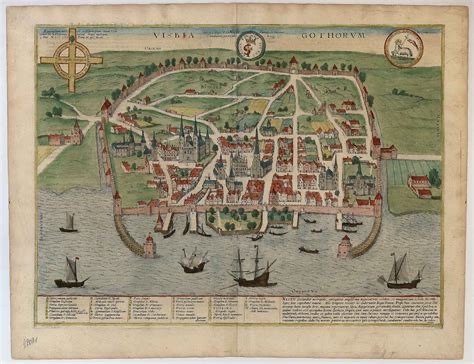
This 16th-century map.


You must be logged in to post a comment.