
🇬🇧
On September 28, 1066, Duke William of Normandy landed in England, changing the course of history forever. We often think of the Battle of Hastings as a single clash of armies, but in reality, it marked the beginning of an entirely new order the one that still shapes Britain, and even much of Europe, today.
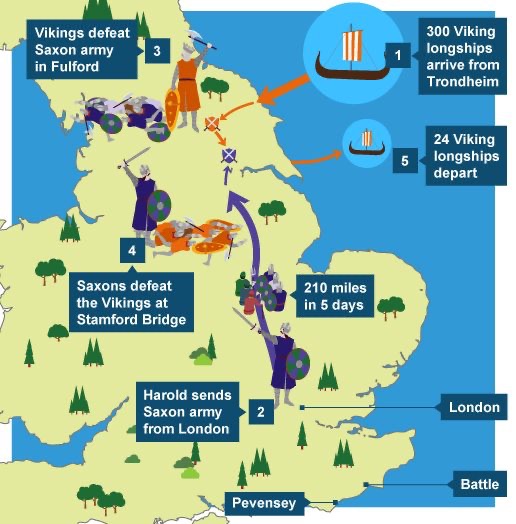
Just weeks earlier, Harold Hardrada of Norway, with ties to Scandinavia and the Viking world, had also landed in England. His defeat at Stamford Bridge cleared the way for William’s victory at Hastings. If Hardrada had won, England might have looked more toward the north and east, perhaps aligning more with Viking trade hubs like Gotland, instead of being pulled under Norman rule.
But William did win, and the aftershocks were enormous.
Still Ruled by Normans?
Britain’s unequal distribution of land today can be traced directly back to William’s conquest. After Hastings, William declared that all land in England belonged to him. He redistributed it among his loyal followers, laying the foundation for feudalism and for a landed elite that still dominates Britain’s countryside.
Some key consequences:
Feudal monarchy: Anglo-Saxon kings were elected, but William introduced hereditary monarchy, a system that remains today.
Castles as control: Built with forced English labor, Norman castles were military occupation tools, not just homes.
Resistance: Guerrilla fighters known as the silvatici, “men of the woods”, carried out resistance campaigns for years, echoing later in stories like Robin Hood.
The dukes and earls who still own vast stretches of land in Britain are beneficiaries of this medieval land grab. Even the monarch, William’s 22nd great-granddaughter, is still technically the legal owner of all English land.
Why This Matters
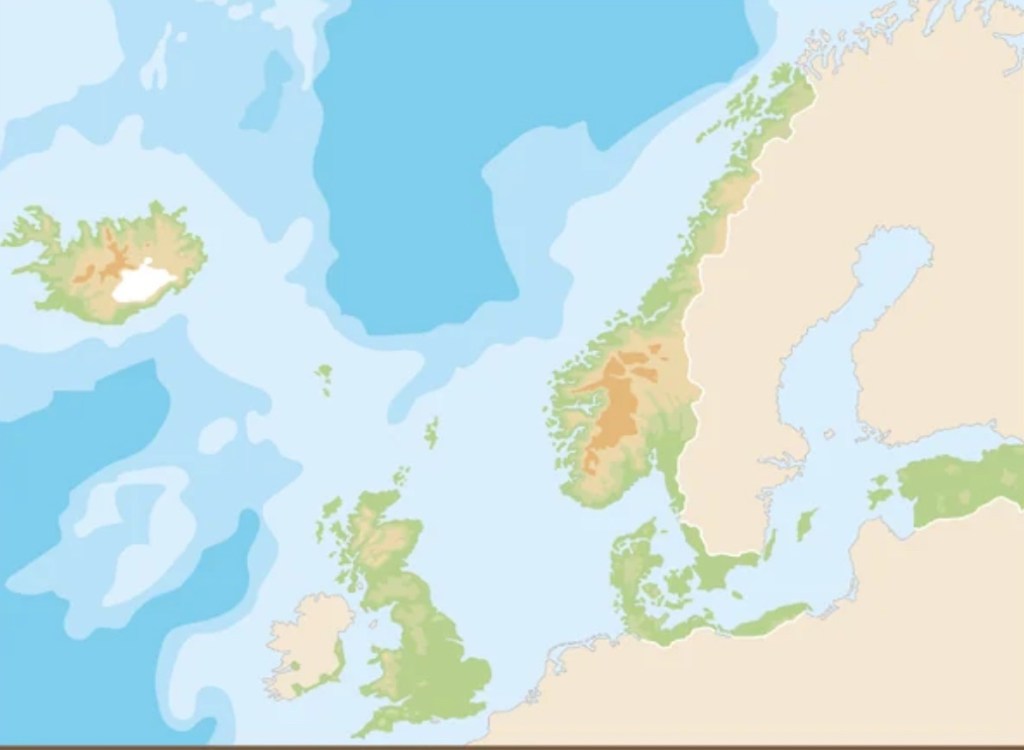
As I read about Fröjel and Viking Gotland, I see how deeply battles like Hastings reshaped Europe. Gotland stood at the crossroads of trade and power in the Viking Age. When England turned toward Normandy instead of Scandinavia, it closed one path of history and opened another.
The Norman Conquest was more than a battle; it was a reset. And nearly a thousand years later, we still live with its legacy.
🇸🇪
Den 28 september år 1066 landade hertigen Vilhelm från Normandie i England. Slaget vid Hastings blev en vändpunkt i historien. Vi lär oss ofta i skolan att det var ett stort slag, men det var också början på ett helt nytt system som ändrade England och hela Europa.
Några veckor innan hade Harald Hårdråde från Norge också landat i England. Han förlorade slaget vid Stamford Bridge mot kung Harold Godwinson. Om Harald hade vunnit, kanske England hade vänt sig mot Norden och handeln i Östersjön, med platser som Gotland. Men han förlorade, och vägen låg öppen för Vilhelm att ta makten.
När Vilhelm blev kung gjorde han något helt nytt. Han sa att allt land i England tillhörde honom. Sedan gav han mark till sina soldater och vänner. Det var början på feodalismen. Det gjorde också att en liten elit fick mycket makt, något som vi kan se spår av än idag.
Kungarna blev ärftliga. Förut valdes de av folket, men efter 1066 gick kronan till sonen.
Många borgar byggdes. De var inte bara hus, utan sätt att kontrollera folket.
Det fanns motstånd. Män som kallades silvatici gömde sig i skogen och kämpade mot normanderna.
Idag äger fortfarande en liten grupp människor stora delar av marken i England. Drottningen är faktiskt, i lagens mening, ägare till allt land. Detta kan spåras tillbaka till det som hände år 1066.

 Swedish Wanderlust
You must be logged in to post a comment.