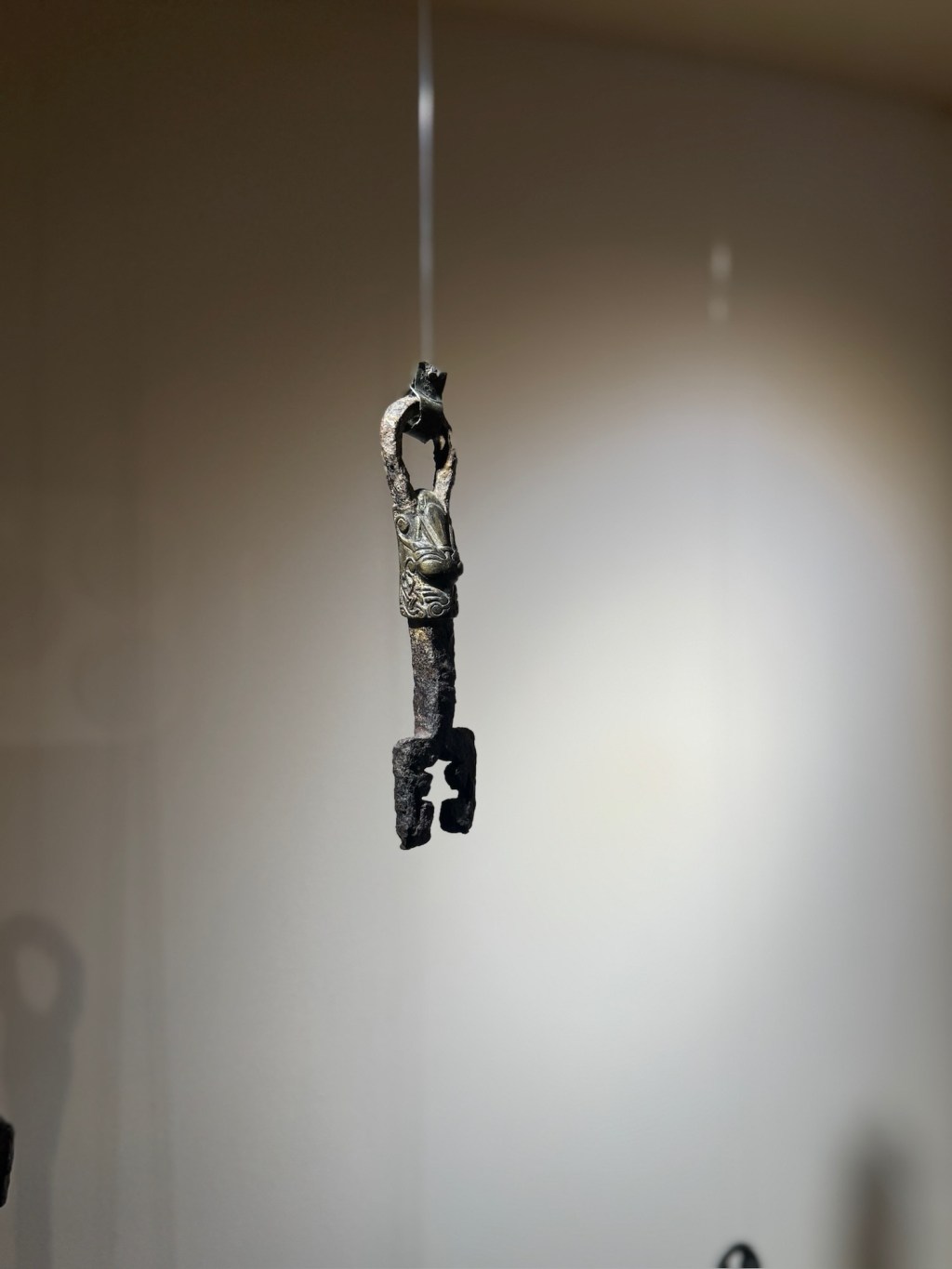
In the Viking Age, being buried with a key was not a small detail. It was a statement.
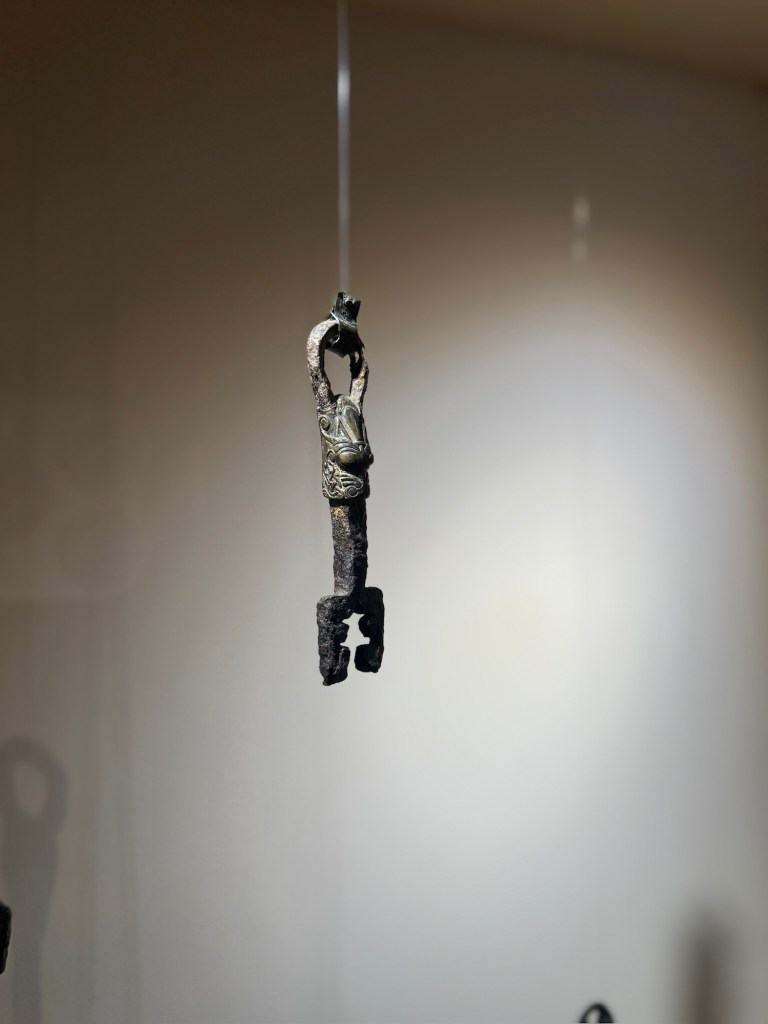
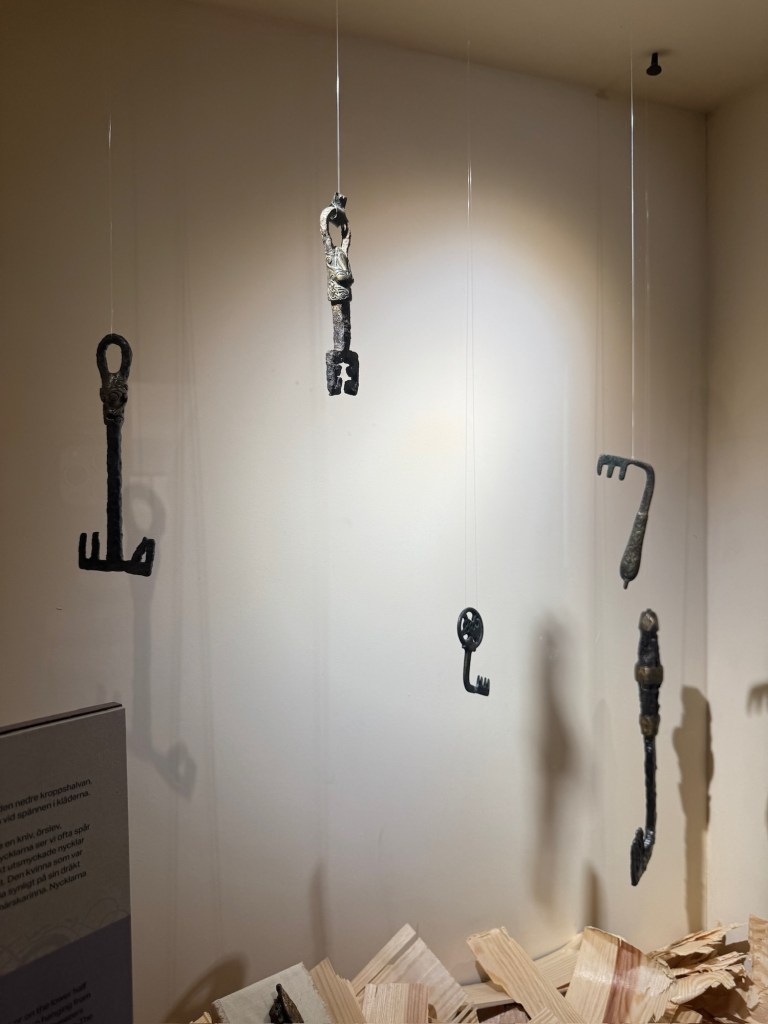
On Gotland, an island rich with Viking heritage, many women’s graves from the Iron Age and Viking Age contain iron keys. These weren’t simply objects to open locks. They represented a woman’s role as keeper of the home, controller of resources, and manager of social and economic networks. In many ways, the key symbolized power.
The presence of keys in female graves tells us that women on Gotland likely held more influence than we often assume in medieval narratives. A woman with a key was a woman with authority. She likely managed storage rooms, locked chests, and perhaps even held sway over the economic affairs of her household.
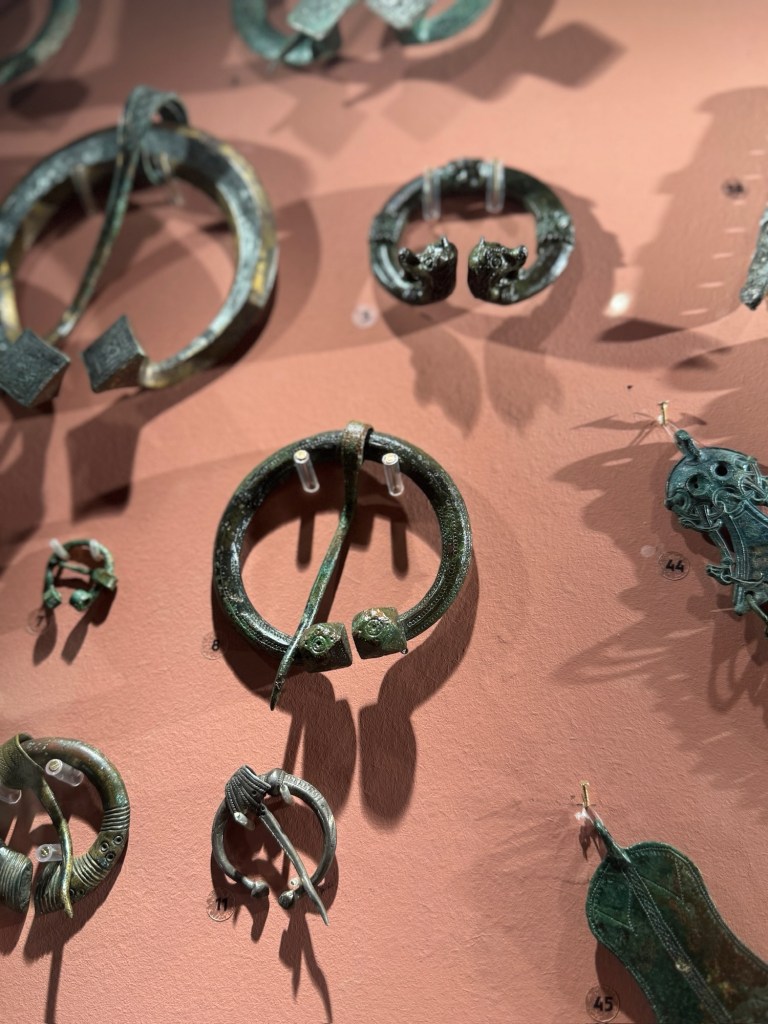
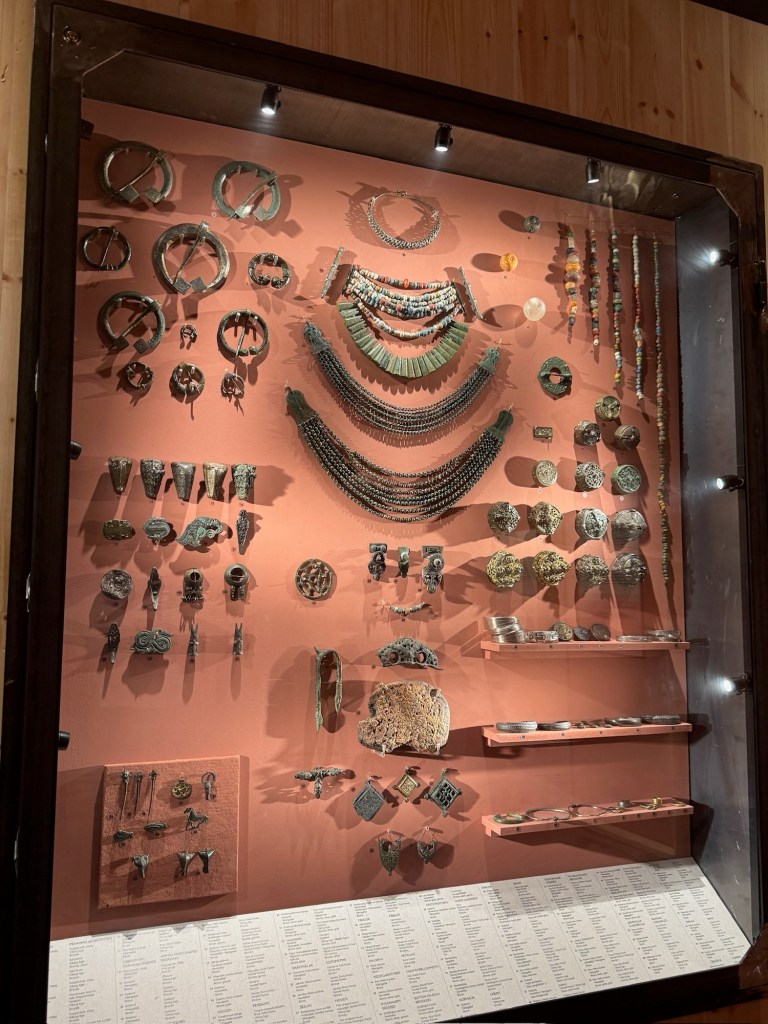
But the keys meant more than practicality. They were status symbols. Some were finely made and buried with other items like beads, brooches, and weights; showing a woman of standing. These were women whose work and presence mattered.
And today? The metaphor still holds. Women are still the “key holders” of our societies: organizing, holding families together, managing invisible work, and preserving traditions. Recognizing this connection across centuries invites us to honor both the women of the past and the everyday leadership of women now.
🇸🇪
På Gotland har arkeologer hittat många gravar från vikingatiden. I flera kvinnogravar finns det järnnycklar.
Nyckeln var viktig. Den visade att kvinnan hade ansvar hemma. Hon kunde öppna dörrar, låsa skåp och ta hand om saker. Hon kanske också hade ansvar för pengar och mat.
Nyckeln var en symbol för makt. Kvinnan hade en viktig roll i familjen och i samhället. I vissa gravar finns också smycken, vikter och pärlor det visar att kvinnan var rik eller respekterad.
Idag kan vi tänka att kvinnor fortfarande är “nyckelbärare”. Kvinnor organiserar, tar hand om barn, hem, jobb och mycket mer. Nyckeln är en symbol för styrka och ansvar både då och nu.

 Swedish Wanderlust
You must be logged in to post a comment.